
The St. Rita approach
St. Rita Music Therapy
At St. Rita, we believe all people are inherently musical regardless of their musical skill or background. Our brains and bodies are wired to respond to and create music - This is why music can act as a bridge between where we, are and where we want to be.
We also believe that you are unique. Our practices are based in decades of clinical research in the use of music for enhancing mental, emotional and physical wellbeing… But they are also tailored to you.
Your choices, abilities and interests are important, which is why we aim to collaborate with you throughout our journey together.
REGISTERED MUSIC THERAPIST, PHD CANDIDATE
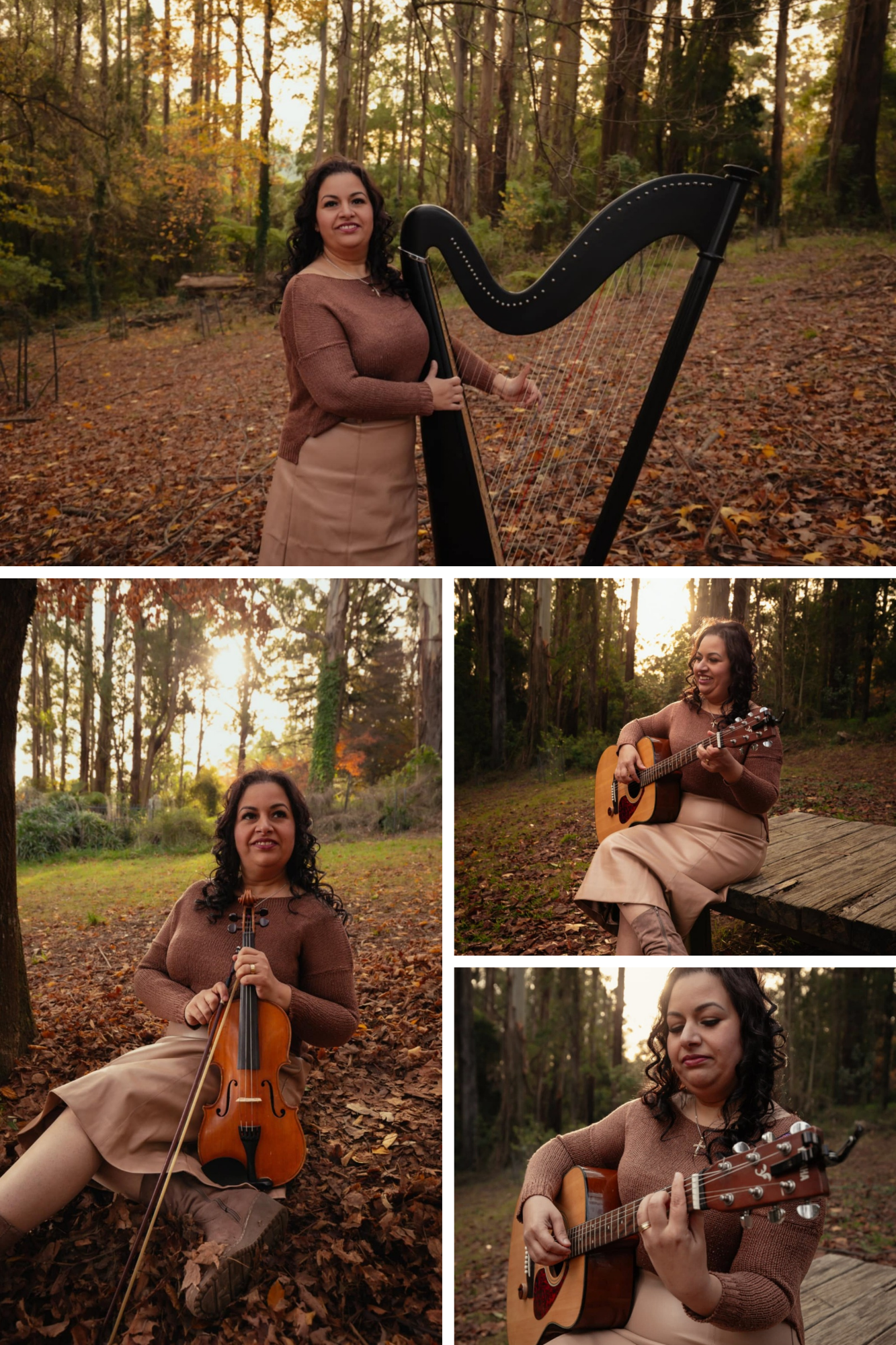
Rita Messak
I am highly qualified and professional music therapist holding a Master’s degree in Music Therapy with a high level of experience and a zest for sharing passion for all things musical, i hold a strong belief that music can change lives for the better. Music Therapy provides access to exceptional musical experiences for people of all ages and abilities.
I am a gentle and creative practitioner, dedicated to helping people find joy, ease and strength during difficult times.
I use music as my main tool to prompt conversation, help you connect with and express thoughts and emotions, and create experiences of ease and joy. Once we determine your goals for the session, you’ll be supported to explore and process through listening to and discussing music, singing, playing instruments, songwriting, developing playlists, or music and imagery experiences. We’ll reflect on what comes up through these experiences, and work together to integrate your experiences to support your daily life.
Registration
Australian Music Therapy Association (AMTA), a member of Allied Health Professions Australia
Frequently asked question
Music therapy is a research-based allied health profession in which music is used to actively support people as they aim to improve their health, functioning and well-being. It can help people of all ages to manage their physical and mental health and enhance their quality of life.
You don’t need to be musical to take part in or benefit from music therapy. Qualified music therapists plan and provide musical experiences for their clients. Each session is tailored to the needs and goals of the client.
Music therapists are committed to supporting people of any age, ability or background. They work across the full age spectrum from newborn children through to older adults.
Yes! Music therapy is an evidence-based allied health profession, and is a member of the Australian Health Practitioner Regulation Agency (AHPRA). Although everyone will respond differently, music therapy has been found to make a real difference for people experiencing a range of difficulties from many backgrounds. Read more about what music therapy can do here. https://www.austmta.org.

Research has shown that music therapy can help people in many ways:
Music therapy improves mental health and wellbeing
Research has shown that music therapy can improve mental health and wellbeing. It can help:
- Reduce anxiety or stress
- Regulate moods and energy levels
- Increase motivation
- Manage anger and frustration
- Manage challenging behaviour.
Music therapy improves speech, communication and social skills
Research has shown that music therapy can improve speech, communication and social skills. It can help:
- Improve verbal and non-verbal communication
- Improve physical speech function
- Increase social communication skills
- Increase social interaction
- Increase independence
- Give positive and new ways to deal with situations.
Music therapy improves body movement, coordination and physical function
Research has shown that music therapy can improve body movement, coordination and physical function. It can help:
- Improve gross motor function and control
- Gross motor skills are the larger movements you make with your arms legs, feet, or entire body.
- Improve fine motor function and control
- Fine motor skills are the smaller movements you make using your wrists, hands, fingers, feet and toes.
- Improve balance
- Increase physical independence
- Help regulate heart rate, breathing rate and blood pressure
- Improve respiratory muscle strength and control
- Improve sleep.
Music therapy improves memory, attention and cognitive function
Research has shown that music therapy can improve memory, attention and cognitive function. It can help:
- Increase core executive functions: self-awareness, inhibition, non-verbal and verbal working memory, emotional self-regulation, self-motivation, planning and problem solving
- Increase memory and attention.
Music therapy improves pain management
Research has shown that music therapy can improve the body’s ability to deal with pain. It can help:
- Reduce pain perception by increasing the body’s production of natural pain killers.
Support faster recovery from medical procedures.
Music therapy can help support people of any age who might be experiencing challenges (including mental, intellectual, physical, emotional or social) or wishing to improve their well-being.
Music therapy is often used to address a wide range of conditions that affect mood, thinking, behaviour, communication and movement including:
- Autism
- Attention deficit hyperactivity disorder (ADHD)
- Anxiety
- Cancer
- Depression
- Bipolar disorder
- Schizophrenia
- Post-traumatic stress disorder (PTSD)
- Eating disorders
- Personality disorders
- Physical disabilities
- Dementia
- Stroke
- Spinal cord injury
- Neurodegenerative conditions.
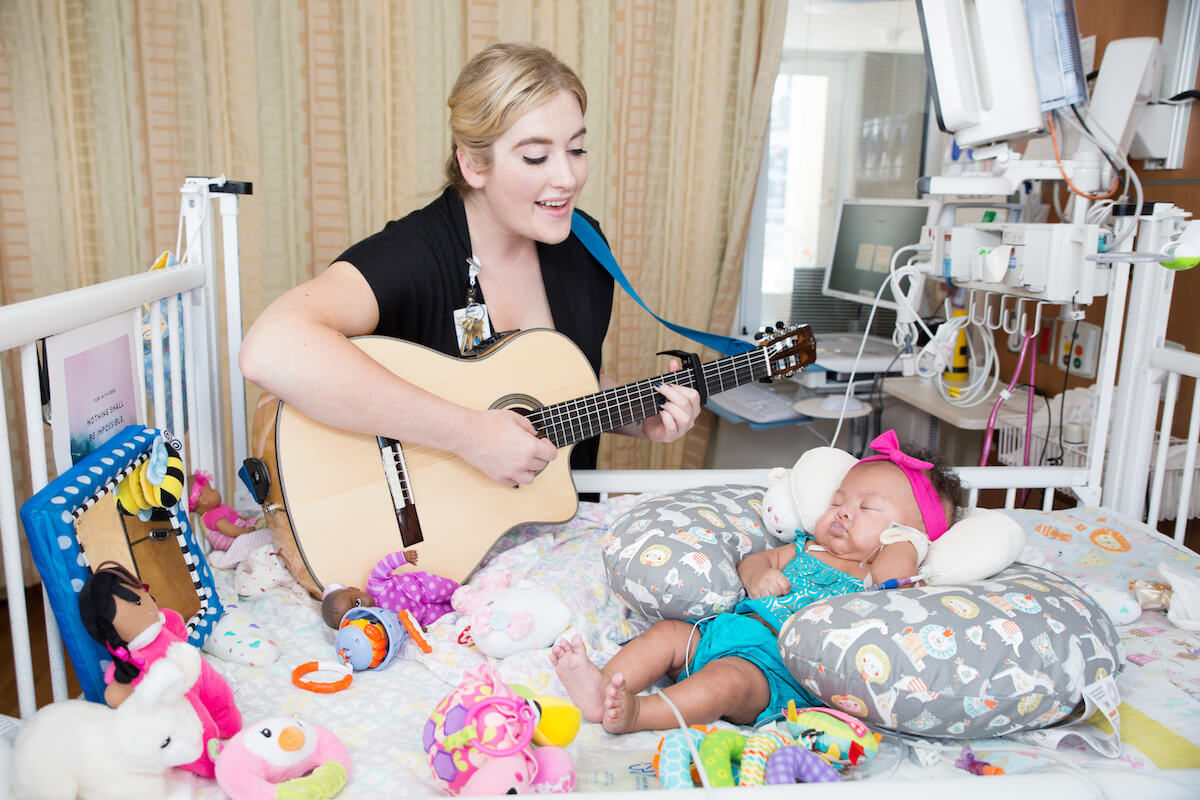
Music therapy can also be used in hospitals and health care centres to help patients deal with stress, discomfort and pain. It is used to help patients who have:
- Cancer and diseases of the blood and bone marrow
- Advanced diseases that have little or no chance of cure or recovery
- Experienced a stroke or brain injury
- Mental health illnesses
- Had surgery or other medical procedures.
Where is music therapy used?
Music therapy is used in many settings such as:
- Hospitals
- Schools
- Residential aged care homes
- Palliative care facilities
- Disability care facilities
- Community health programs
- Child care centres
- Prisons and detention centres
Private practice.
How can we help you?
At St. Rita, we believe all people are inherently musical regardless of their musical skill or background. Our brains and bodies are wired to respond to and create music
Contact our expertLatest News & Events
Get up to date with our latest news and events

27 June 2022
St. Rita is reaching international audience!
27 June 2022
Happy World Music Therapy Day 2022!

27 June 2022
We now have a Music Therapy Assistant on board!
We are member of


© 2026. All rights reserved.
supported by codev creations
